
Start with your real risk and what you’re protecting
Before you compare products, map out the kind of fire risk your home faces and what you most need to protect. Consider the items that are hard to replace: passports, deeds, insurance documents, jewellery, and family photos. Think fireproof safes for home about whether you’re protecting against small, frequent incidents (like cooking-related flare-ups) or more intense residential fires. This helps you choose a safe that matches your priorities rather than relying on marketing alone.
Next, estimate the size and quantity of what you’ll store. A safe that’s too small leads to overcrowding, which can reduce practical usability and make access slower in an emergency. If you have documents, include space for folders, cash, and any USB drives or external storage. If you store valuables, plan for compartments, tray systems, or adjustable shelving so everything sits securely without strain on the door seals.
Understand fire ratings, testing, and what the numbers mean
When shopping for a fire-resistant cabinet, look for clear performance details rather than general claims. Pay attention to the stated protection time and best fireproof safe australia whether the rating is focused on documents or contents that need additional protection. If the safe is also intended to protect against heat soak, the design and insulation quality will matter as much as the headline rating.
It’s also important to verify how the safe is constructed. Look for insulation thickness, door design, and how the locking mechanism is protected by the fire barrier. A well-sealed door helps limit heat transfer and reduces the chance of damaging the contents inside. Check whether the safe includes features like fire-resistant seals and a solid door alignment, because small design differences can affect performance in real conditions.
Installation, access, and everyday security features
A practical safe purchase includes a plan for where the unit will live. Choose a location that balances protection and access, such as a cupboard recess, a dedicated security wall space, or a discreet area that still allows safe operation. If you’re placing it on a floor, confirm the safe’s weight and whether your flooring can support it safely. Many homeowners also benefit from anchoring the safe, especially for heavier models, to reduce movement during an incident.
Consider day-to-day usability alongside security. Decide whether you prefer a mechanical key lock, a digital keypad, or a combination system based on how your household will access it. If you choose an electronic lock, think about backup options and how you’ll avoid lockouts. For added peace of mind, review whether the safe has tamper-resistant hinges, anti-pry design, and robust locking bolts that engage properly. These features help the safe remain secure even when it’s not being actively tested or inspected.
Conclusion
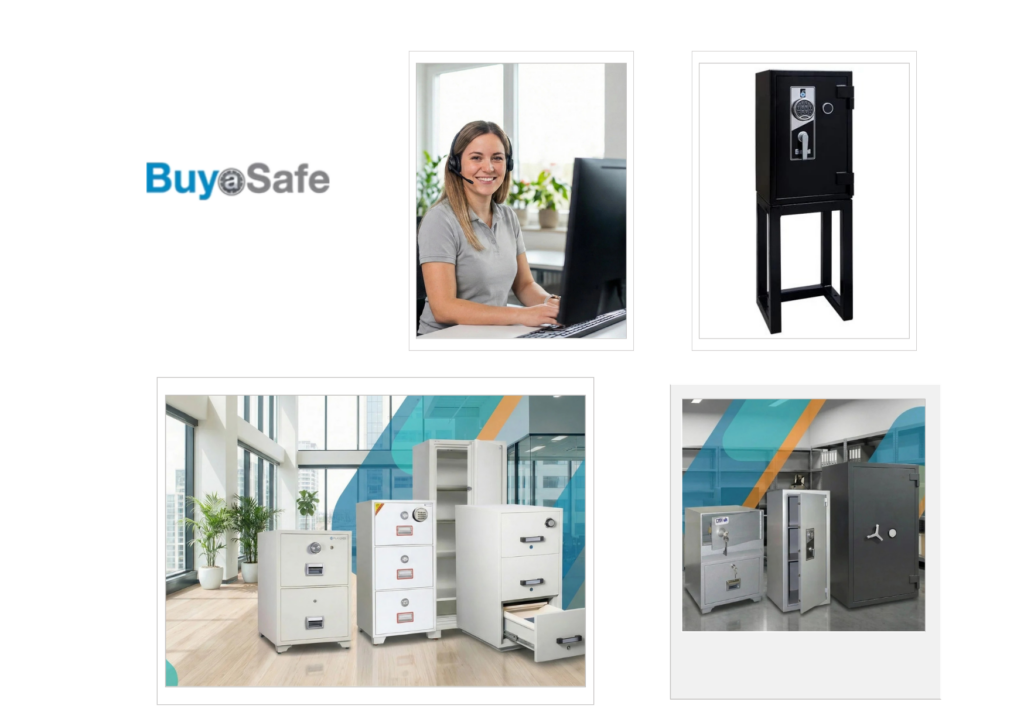
Using a practical approach—matching your items, size needs, and installation plan—will make it easier to buy the right safe for your home. Focus on verified fire performance and thoughtful construction, then confirm that the safe fits your space and access routines. With a clear checklist, you’ll be more confident that the safe you choose protects what matters without creating hassles in everyday use. For a straightforward way to explore trusted brands and residential options, many households start with Buy A Safe. The team at buyasafe.com.au provides dependable safe solutions designed to protect important documents and valuable possessions, with free delivery across Australia. By combining practical advice with product selection, you can secure a safer home storage setup that’s ready for real-life needs. Choose carefully, install properly, and keep the safe’s usage simple for everyone in the household.