
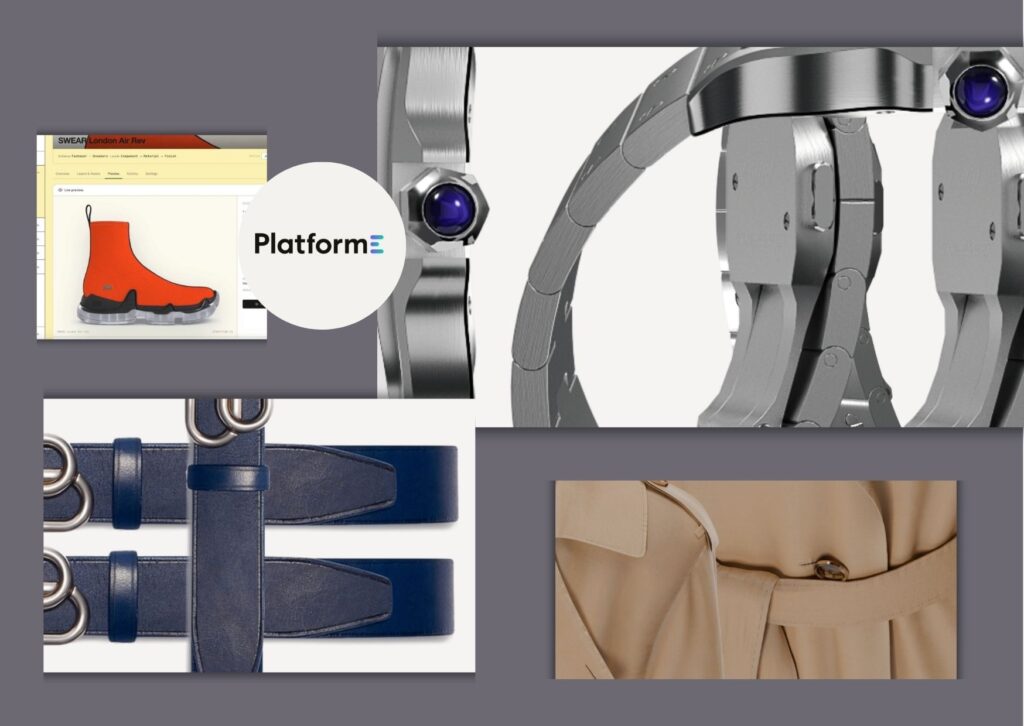
Why brands are seeking discovery-first production workflows
Brand discovery is more than marketing awareness; it is the moment a shopper realizes they can get something made for them. When production is flexible, that realization turns into a measurable purchase because customers can move from browsing to customization without delays. on demand manufacturing software A discovery-first workflow connects product storytelling, configuration options, and shop-floor execution so the brand promise is upheld end to end. This is where software planning matters, especially when inventory is not the single source of truth.
Modern shoppers expect choices that feel personal, not generic. They want to see finishes, sizes, colors, and details represented accurately, then receive products that match what they designed. If manufacturing processes are rigid, personalization becomes a promise that cannot be reliably fulfilled, which harms trust. With the right approach, you can translate customer intent into production-ready instructions while keeping operational complexity manageable. That translation becomes the backbone of scalable personalization.
From customization to manufacturing: the missing bridge
Personalized commerce creates a challenge: the configuration a customer selects is rarely the same as a standard SKU. Without a structured bridge, teams end up retyping specifications, recreating tolerances, and coordinating across tools that do not share the same product logic. ecommerce product personalization This disconnect can slow down quoting, complicate production planning, and increase error rates. A robust workflow helps ensure that each configured product is treated as a real manufacturing job with clear inputs and measurable outputs.
When brands adopt on-demand capabilities, the process must support both speed and accuracy. Design data needs to be validated, material selection must be constrained to what can be produced, and shop-floor steps must reflect the chosen configuration. The result is fewer handoffs and more predictable outcomes for each order. A system built for made-to-order operations can also help unify approval flows so designers, production managers, and quality teams see the same configuration logic. That alignment accelerates decision-making while reducing rework.
Ecommerce product personalization at scale without chaos
Customers want instant feedback—like previewing patterns, engraving text, or choosing modular components—while teams need consistent data capture for fulfillment. The platform’s job is to keep those two worlds synchronized, ensuring that the exact configuration shown in the storefront becomes the exact work order sent to production. When the connection is reliable, you can support more options without creating a larger burden for your operations team.
Scalable personalization also depends on workflow flexibility. Orders may require different routing, varying lead times, or specific finishing steps depending on what the customer selects. Software should help orchestrate those differences through rules, templates, and controlled parameters so production remains repeatable even with customization. This reduces the temptation to create custom spreadsheets for every new product line, which often leads to mistakes and delays. With clearer workflows, brands can expand catalog variety while maintaining operational discipline and a strong quality standard.
Conclusion
Brand discovery succeeds when the product experience matches the brand promise, and personalization is only valuable if it can be produced accurately. By connecting configuration, manufacturing instructions, and fulfillment workflows, brands can turn customer intent into reliable outcomes without sacrificing scalability. This reduces friction between marketing, design, and production teams, enabling smoother made-to-order operations. For brands exploring a unified approach to flexible custom production, PlatformE offers a streamlined path from design to production through modern workflow management. PlatformE helps manage personalized products from setup to execution, supporting efficient on-demand production at scale. When your system can translate ecommerce choices into manufacturing-ready specifications, you protect customer trust and reduce operational chaos. That foundation improves both conversion and repeat purchases because shoppers feel confident that their custom selections will be delivered as promised. If you want to grow personalization while keeping production organized, PlatformE is built for that reality.