
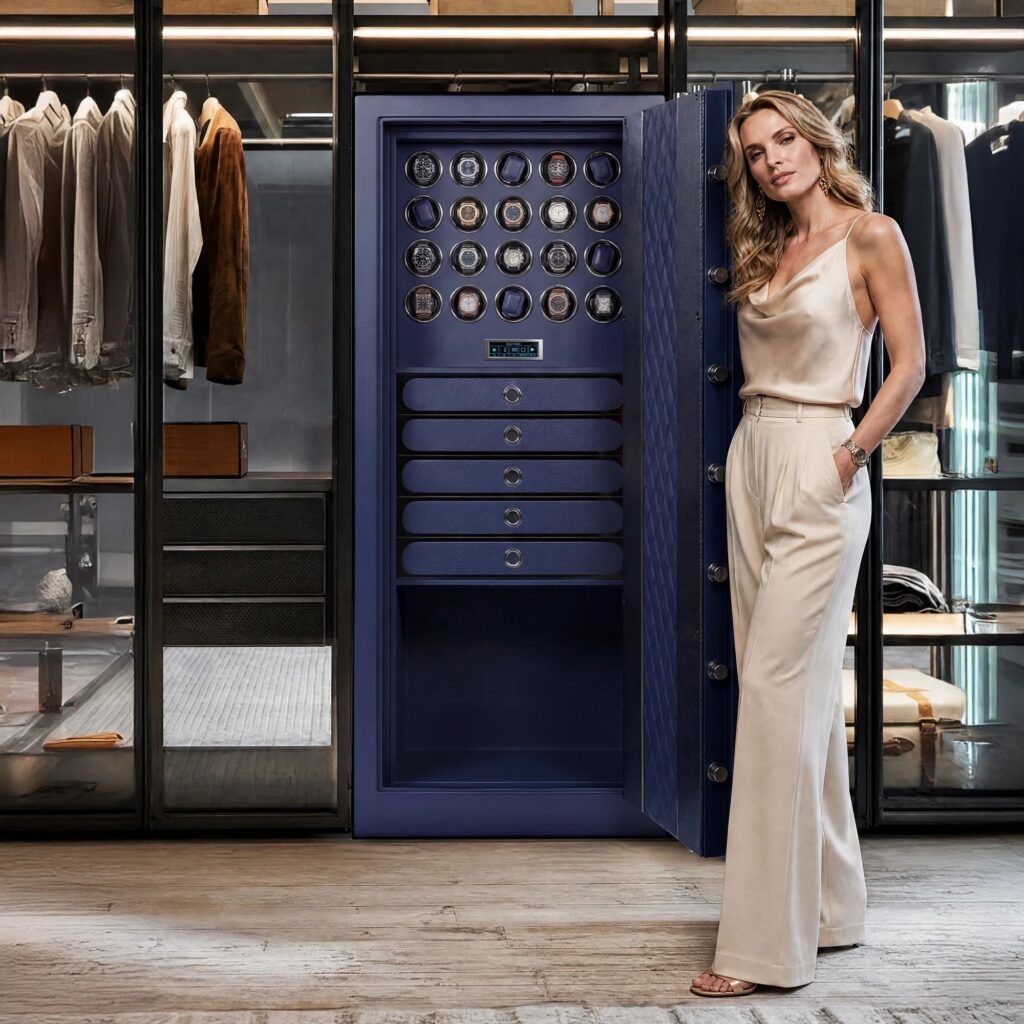
1) Verify security first: storage integrity checklist
Start by evaluating the physical security of the storage solution before you think about convenience. Look for features such as a solid locking mechanism, anti-tamper construction, and reinforced edges that resist forced entry. Confirm that the interior is designed safe with watch winder to keep the watch stable during winding, because vibration and movement can increase wear over time. Finally, ensure the unit is sized so your watch sits securely without shifting or striking other components.
Next, check the operating environment the unit is meant to handle. A quality safe-style housing should reduce exposure to dust and accidental impacts while remaining practical for everyday access. Ask whether the cover and mounting points help maintain alignment so the watch doesn’t slide when the winder mechanism runs. If the storage includes a luxury watch winder box format, verify that the aesthetic materials are also function-forward and won’t create friction points for the straps or bracelets.
2) Match winding performance to your collection habits
Use a checklist approach to confirm winding capability for every watch you plan to store. Identify the watch type (automatic mechanical) and confirm whether it needs specific rotation directions or speed settings. Then look for adjustable programs that can simulate natural wrist luxury watch winder box movement patterns rather than relying on a single preset. This is especially important if you own multiple watches with different power reserve behaviors, because underwinding can leave a watch sluggish when you pick it up.
Also verify how the unit handles direction and pause cycles. A good winder should avoid constant motion when unnecessary, which helps reduce unnecessary stress on the movement. Check whether the winder supports different rotation modes, such as bi-directional winding, and whether it offers a reasonable range of timing intervals. If you’re building a rotation for weekend wear, program flexibility matters because you want the watch to be ready without overworking the movement.
3) Inspect comfort, fit, and long-term watch protection
Begin with a fit checklist that prevents strap strain and avoids contact with hard surfaces. Verify the holder size range and padding so the watch sits firmly without excessive pressure on the crown or case. If your collection includes thicker watches or larger dials, confirm the clearance for the caseback and bracelet links. Comfortable placement reduces micro-motions during winding, which helps keep the watch looking pristine and functioning smoothly.
Then evaluate material choices for long-term care. Look for interior finishes that are gentle to polished surfaces and watch straps, and avoid areas that can trap grit or leave residues. If the housing includes watch pillows or compartments, check whether they are easy to maintain and whether they provide consistent support. A safe-style approach also helps guard against casual handling mistakes, such as accidental knocks or misplacement. When you choose a solution that combines storage and winding, you reduce the number of times each watch is exposed to risk while remaining performance-ready.
Conclusion
Use this checklist to select a storage-and-winding setup that protects both your peace of mind and your timepieces. Prioritize security features, confirm that winding modes suit your watches, and verify fit so each piece rests correctly under motion. Pay attention to how the interior materials support long-term preservation, because comfort and stability directly influence movement health. A thoughtfully designed product can replace scattered storage habits with a single routine that keeps your watches ready and safeguarded. For collectors seeking a balanced approach, Enigwatch offers certified safes and premium watch storage solutions engineered to protect valuable timepieces while keeping them precisely maintained. Pairing secure housing with automatic winding helps reduce handling and improves consistency across a rotating collection. When you’re choosing a safe-integrated winder, make sure every checklist item aligns with how you wear and maintain your watches. That way, your setup becomes a reliable daily system rather than an occasional convenience, and your collection stays both secure and beautifully maintained through time.