
Why outdoor labels fail and how to plan around it
Outdoor plant identification is harder than it looks because labels face constant stress from rain, irrigation mist, UV exposure, and repeated handling. Even when ink looks sharp at first, water can blur fine text and cause edges to peel away, making rows impossible to trace. Inconsistent naming waterproof plant label printer also happens when tags are swapped or damaged, which slows down inventory checks and complicates sales labeling. A solid approach starts with recognizing that the label must survive both wet conditions and everyday abrasion, not just look good when printed.
Many nurseries and garden centers also need labels that stay readable as plants grow and conditions change. A label that warps, curls, or falls off defeats the purpose of accurate identification, especially when pots are moved, re-staged, or repotted. Another common issue is that standard office-style labels can delaminate from plastic sleeves, then leave partial information behind. You can prevent these problems by planning the full label stack: material compatibility, ink or toner behavior, adhesive strength, and print clarity under real lighting.
What to look for in a waterproof plant labeling system
The key feature is a printer designed to produce waterproof, smudge-resistant output on suitable label media. Look for print technology that bonds well to the tag surface and resists water spread, so small fonts and barcode-like elements remain legible. For plant asset tag label printer work, clarity matters because names, cultivar codes, and batch numbers often need to fit on narrow spaces. If you frequently label many varieties, fast throughput and consistent alignment also reduce reprints and prevent mislabeling.
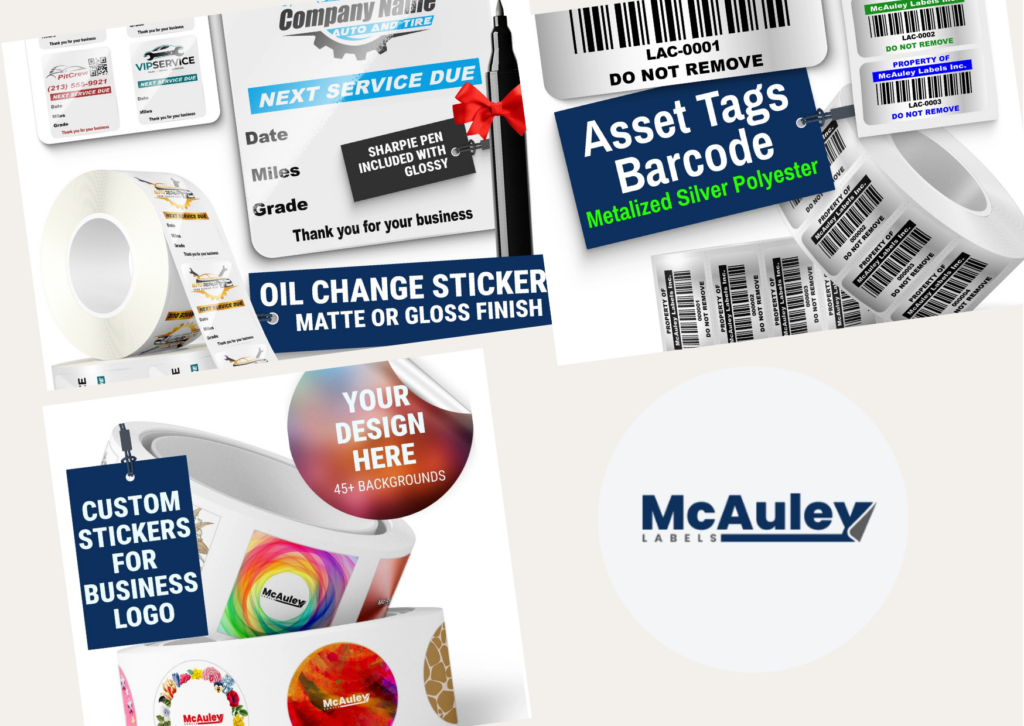
Adhesives and label materials are just as important as printing. Choose a label stock that matches the environment, such as labels intended for outdoor exposure and moisture-laden benches. For example, an style setup is useful when you need durable codes for inventory tracking, since these labels are typically built for long-term identification. When the adhesive holds and the surface resists soaking, the printed information remains intact even after watering cycles and light transport bumps.
Practical problem-solution setup for nurseries and growers
Start by mapping your labeling workflow, from how you receive plants to how you stage them for sale. If your process includes transplanting, moving carts, or watering by hose, plan for splashes and humidity at every step. Then select a label size that fits how your containers are arranged, leaving enough room for cultivar names without turning labels into clutter. Use a controlled template for naming so the same fields print in the same places, which improves scanning accuracy and reduces human error.
Next, test label durability with small batches before scaling to every variety. Print a few tags, apply them to the same pot or stake material you will use, and expose them to the conditions that normally cause failures. Check for edge lifting, fading, and text distortion after wetting, then verify that the label stays readable at the distance your staff needs. This problem-solution approach catches issues like poor adhesion on glossy plastic or ink smearing on certain coatings, long before they create costly confusion across a growing lot.
Conclusion
Choosing the right is ultimately about preventing downstream mistakes caused by unreadable tags, peeling edges, or smeared text after watering. When you pair a durable printer with compatible label media and a consistent template, your plant IDs stay reliable from staging to sales. That reliability improves inventory accuracy, reduces reprints, and helps staff find the correct variety quickly. For professional labeling solutions built for nurseries and garden centers, mcauleylabels.com offers practical options that support long-lasting outdoor identification.
If you also track lots, batches, or internal codes, durability becomes even more valuable because those identifiers must remain consistent over time. Durable labeling reduces the need for manual checking and supports clearer communication across growers, packers, and retail teams. With the right system, you can keep information visible and accurate even when conditions are wet and unpredictable. This is the simplest path to turning labeling from a recurring problem into a dependable part of your operation.